Some links below are affiliate links. If you buy through one, Viagem may earn a small commission at no extra cost to you, and we only recommend gear worth packing. See our affiliate disclosure.
Is it safe to fly with a newborn?
For a healthy, full-term newborn, flying is generally fine once your pediatrician gives the go-ahead, but the timing is a medical question, not a travel one. Premature babies and any newborn with health concerns need a doctor’s clearance first. The bigger reason many families wait a few weeks is the immune system, not the flight itself.
Airline age rules and tickets
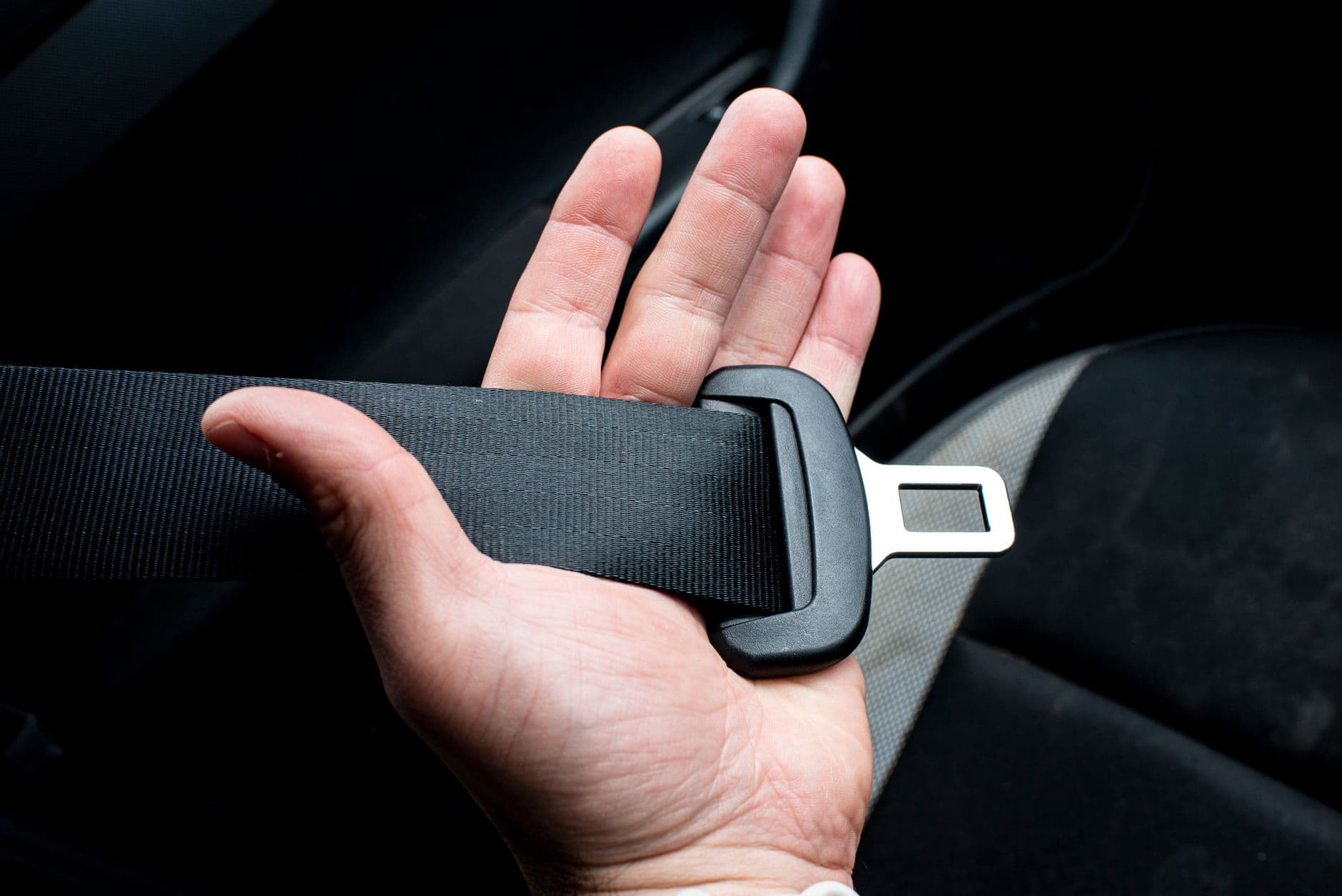
Most US airlines set a minimum age to fly, often around 2 to 14 days, and some require a doctor’s letter for the youngest newborns. Under 2, your baby flies as a lap infant for free domestically (a small fee or tax internationally), or you can buy a seat and use an FAA-approved infant car seat, which is the safest option.
- Check your specific airline’s minimum infant age before booking; it varies, and the youngest ages may need a physician’s note.
- For international trips, the newborn needs their own passport, which can take weeks, so apply the moment you have a birth certificate.
- Domestic US flights do not require ID for an infant, but carry a copy of the birth certificate just in case.
- On long or overnight flights, buying a seat for an FAA-approved car seat is worth it; for short hops, lap is usually fine.
The takeoff-and-landing trick
Pressure changes are the one predictable discomfort. The fix is the same at every age: have the newborn sucking during takeoff and the start of descent. Nurse, offer a bottle, or use a pacifier, and time a feed for the climb rather than feeding at the gate. Most ear fuss is brief.
Gear that earns its place
With a newborn you need less than you think. A carrier and a safe place to sleep do most of the work.
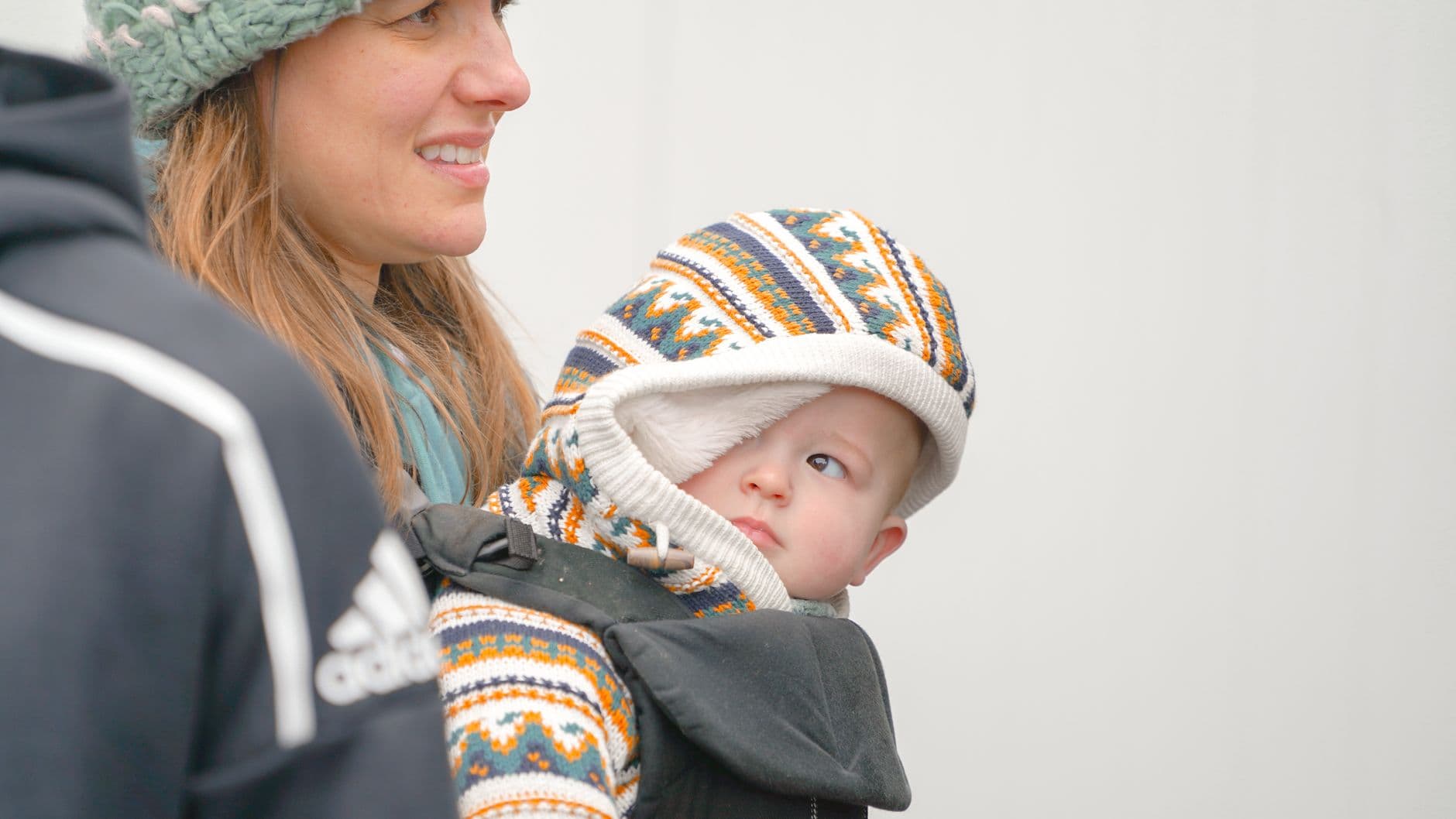
A newborn-sized soft carrier keeps the baby snug against you through security and the terminal, and rocks them to sleep on board. The single most useful thing you will bring.
Check price on AmazonIf you buy the baby a seat, a lightweight FAA-approved infant car seat is the safest spot on the plane and doubles as your car seat at the destination.
Check price on AmazonFor the destination, a foldable travel bassinet gives the newborn a safe, familiar place to sleep instead of an unknown hotel crib.
Check price on AmazonProtecting a newborn’s health on the trip
- Wash and sanitize hands often, and gently discourage strangers from touching the baby; a newborn’s immune system is still developing.
- Wipe down the tray table and armrests, and keep the baby in the carrier rather than on shared surfaces.
- Bring more diapers than you expect (one per hour of travel plus extras), wipes, two changes of clothes for the baby and a spare top for you.
- Keep feeding on demand; air travel is dehydrating, so a newborn may want to nurse or take a bottle more than usual.
Where a first trip is easy
For a newborn’s first trip, keep the flight short and the destination calm and warm. These keep travel time down and score well for families:
San DiegoPunta CanaTurks and Caicos